I recently sat down with my colleague Gideon Usani (Frontend Development Engineer) to discuss the shifting landscape of AI agent development. As a DevOps Software AI Engineer, I’ve noticed a lot of developers are still struggling with the complexity of stitching together raw APIs for tasks like sentiment analysis, generative AI, and voice capabilities.In this video, we take a “roll off the sleeves” look at how modern frameworks are making it significantly easier to build sophisticated, production-ready AI agents.
What we covered in this overview:
- The “Agent” Defined: We break down agents as modular functions powered by an LLM, configured with specific instructions and tools.
- Google Agent Development Kit (ADK): Why this model-agnostic framework is a game-changer for building flexible, deployment-ready agents in Python, TypeScript, Go, or Java.
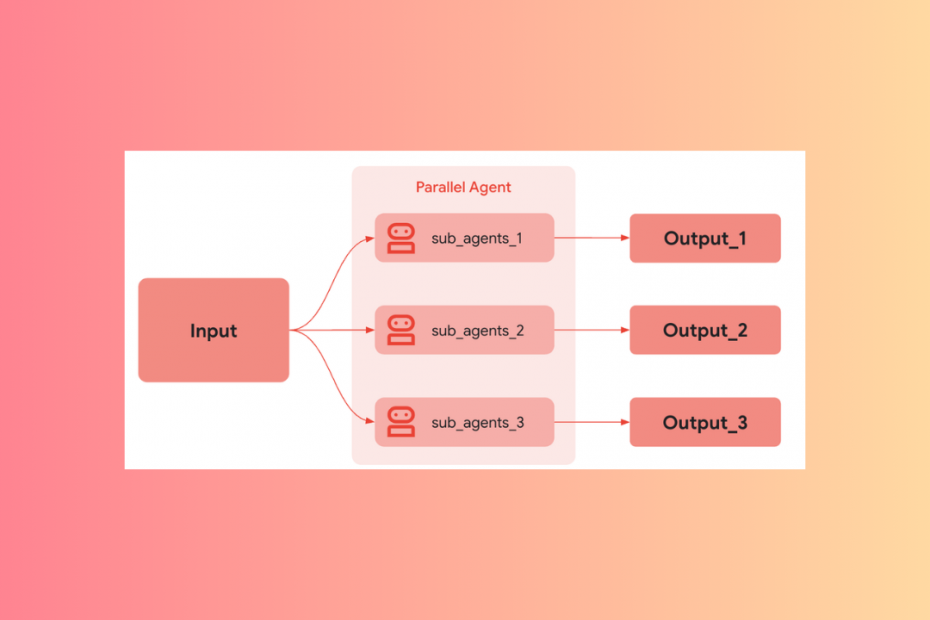
- Workflow Architectures: A conceptual look at Sequential (step-by-step), Parallel (concurrent execution), and Loop (iterative) agent designs.
- Tooling & Capabilities: Giving agents “superpowers” through tools like Google Search, computer use, and secure code execution.
- Safety & Guardrails: How to implement safety settings and output filters to prevent hallucinations and protect system instructions.
- Framework Comparison: A quick tour of the current ecosystem, including OpenAI’s Agent SDK, Google Genkit for full-stack integration, and CrewAI for multi-agent orchestration.
This isn’t a deep-dive coding tutorial, but rather a high-level primer for engineers looking to understand which framework fits their specific use case whether you’re building a simple summarizer or a complex multi-agent team.I’d love to hear what frameworks you all are currently leaning toward for production!